
A fall can change the entire trajectory of an older person's life. What begins as a stumble on a wet floor or a missed step in dim lighting can result in a fractured hip, a long hospital stay, and a loss of independence that a person never fully regains. In Kenya, as the population ages and more elderly people live in multi-storey homes or compounds with uneven ground, understanding and actively preventing fall risk has become an essential part of responsible elder care.
The reasons older adults fall are rarely a single cause; they are usually a combination of factors that compound one another. Age-related muscle weakness reduces the ability to catch oneself or recover balance after a stumble. Vision changes, including cataracts and reduced depth perception, make it harder to judge steps, kerbs and uneven surfaces. Certain medications, particularly those for blood pressure, sedation or diabetes, can cause dizziness or low blood sugar that leads to unsteadiness. Chronic conditions like arthritis limit joint flexibility and gait stability, while cognitive changes can affect a person's judgement about their own physical limitations. Understanding which of these factors apply to a specific individual is the first step in building an effective prevention plan.
A thorough home safety assessment is one of the most valuable, and most underused, tools available to families. This means walking through the home with a critical eye, ideally alongside a trained nurse or occupational therapist, looking specifically for hazards: loose rugs or mats that can slide underfoot, poor lighting in hallways, bathrooms and staircases, cluttered walkways, cords running across frequently used paths, and the absence of grab rails in bathrooms and near steps. Many of these hazards can be corrected with modest investment — installing a grab rail, adding a non-slip mat in the shower, or improving a single poorly lit corridor — yet the impact on fall risk can be substantial.
Footwear matters more than most families realise. Loose slippers, worn-out shoe soles, or walking barefoot on tiled floors all increase slip risk. Well-fitting, supportive shoes with non-slip soles, worn consistently both indoors and outdoors, provide a simple and effective layer of protection.
Medication review is another critical, often overlooked component of fall prevention. When an older adult is prescribed multiple medications by different doctors, the cumulative effect on balance and alertness is not always considered. A periodic medication review, ideally involving a pharmacist or the patient's primary physician, can identify drugs that might be contributing to dizziness or unsteadiness and explore safer alternatives or adjusted dosing.
Physical strength and balance training, while it might sound counterintuitive for someone at fall risk, is actually one of the most effective preventive interventions available. Simple, supervised exercises that build leg strength and improve balance — even basic movements practised for a few minutes daily — measurably reduce fall risk over time. A physiotherapist or trained caregiver can design a safe, appropriate exercise routine tailored to the individual's current ability level, progressing gradually as strength improves.
Vision and hearing checks should not be neglected. Poor vision is a well-established fall risk factor, and something as simple as an outdated eyeglass prescription or undiagnosed cataracts can significantly increase danger. Similarly, hearing loss affects spatial awareness and balance more than many people realise, since the inner ear plays a direct role in the body's balance system.
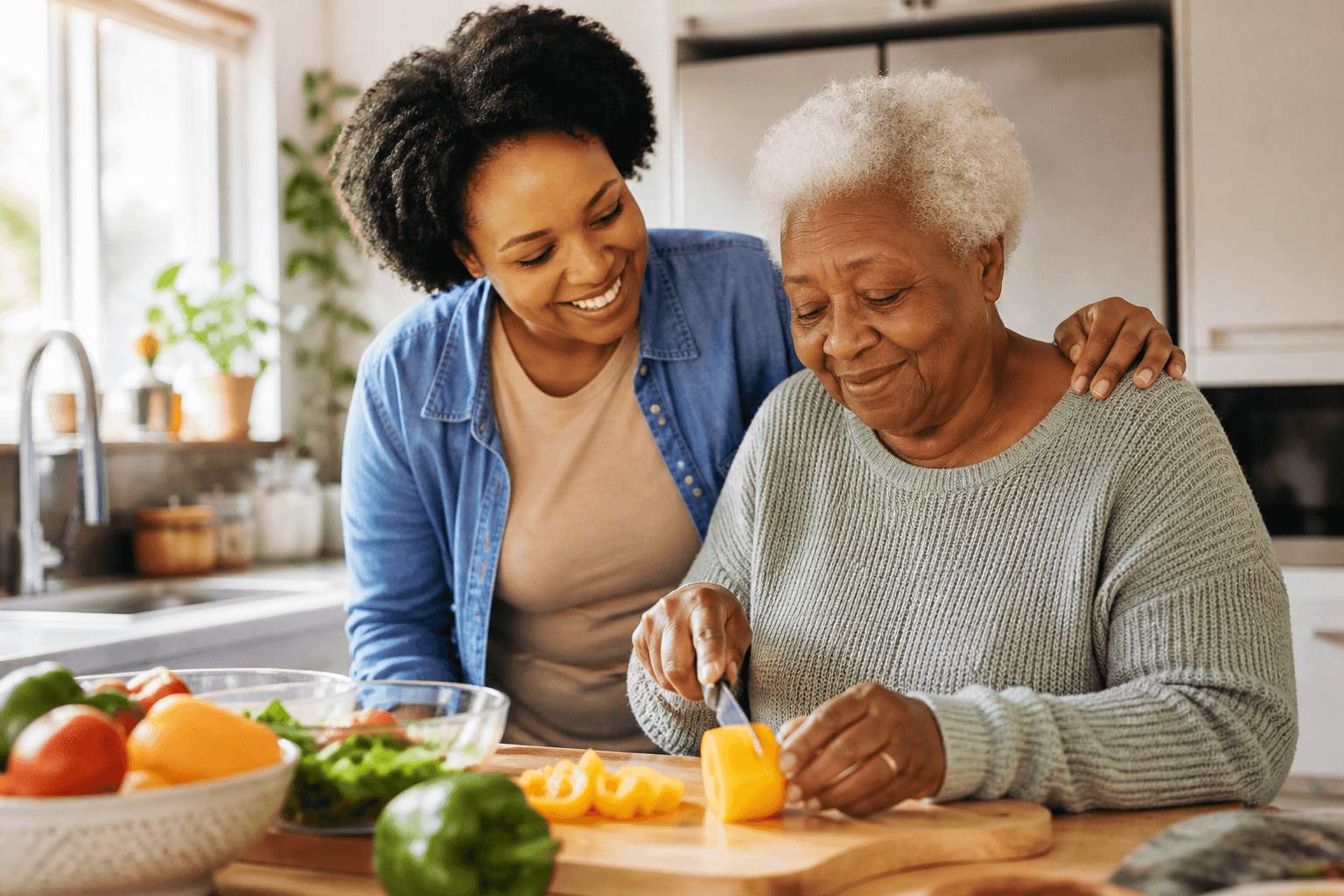
Finally, having a trained caregiver present, even part-time, provides both practical assistance with higher-risk activities like bathing and transferring, and the reassurance of a second pair of eyes watching for early signs of instability. A caregiver who understands proper transfer and mobility assistance techniques can prevent the kind of unsupported movement that so often leads to a fall, while also encouraging the senior to remain as independent and active as safely possible.
Fall prevention is not about restricting an elderly person's life out of excessive caution; it is about removing unnecessary hazards so that mobility, activity and independence can continue safely for as long as possible. A modest investment in home safety, medication review, appropriate footwear, targeted exercise and, where needed, professional caregiving support, can meaningfully reduce the risk of a fall that could otherwise take away far more than a family ever intended to give up.