In many Kenyan households, caring for an elderly parent is not a distant possibility to plan for someday — it is a present, daily reality shared between siblings, spouses and grown children, often while everyone involved is also raising their own families and holding down demanding jobs. This "sandwich generation" experience is common across Nairobi, Kisumu, Nakuru and beyond, and it comes with real emotional, physical and financial weight. Doing it well requires more than love and good intentions; it requires structure, information and support.
The first step is an honest assessment of what your parent actually needs, rather than what tradition or guilt might suggest. Some ageing parents need only occasional company and help with errands. Others require daily assistance with bathing, dressing, medication and mobility. Still others are managing multiple chronic conditions that call for skilled nursing oversight. Sitting down as a family — ideally with input from a qualified nurse or geriatric care assessor — to map out your parent's actual functional status prevents both under-care, which risks safety, and over-care, which can strip away independence and dignity unnecessarily.
Medication management deserves particular attention. Many older Kenyans are managing hypertension, diabetes, arthritis and other conditions simultaneously, often prescribed by different specialists who may not always communicate with one another. Missed doses, duplicated prescriptions and drug interactions are common and dangerous. A simple weekly pill organiser, a written schedule posted where the whole family can see it, or a home care nurse who manages medication administration directly can dramatically reduce these risks.
Home safety is the next priority. Small modifications make an outsized difference: grab rails in the bathroom, non-slip mats, adequate lighting in hallways and near stairs, and removing loose rugs or clutter that can cause a fall. Falls are one of the leading causes of hospitalisation and loss of independence among elderly people, and most are preventable with modest changes to the physical environment.
Equally important, and often overlooked, is your parent's emotional and social wellbeing. Isolation is a genuine health risk for older adults, particularly those who have lost a spouse or whose children have moved to different towns or countries for work. Regular visits, phone calls, involvement in church or community groups, and simply being asked about their day rather than only their symptoms all contribute to better mental and even physical health outcomes. Depression in elderly patients is frequently under-recognised because it can present as fatigue, appetite loss or withdrawal rather than obvious sadness.
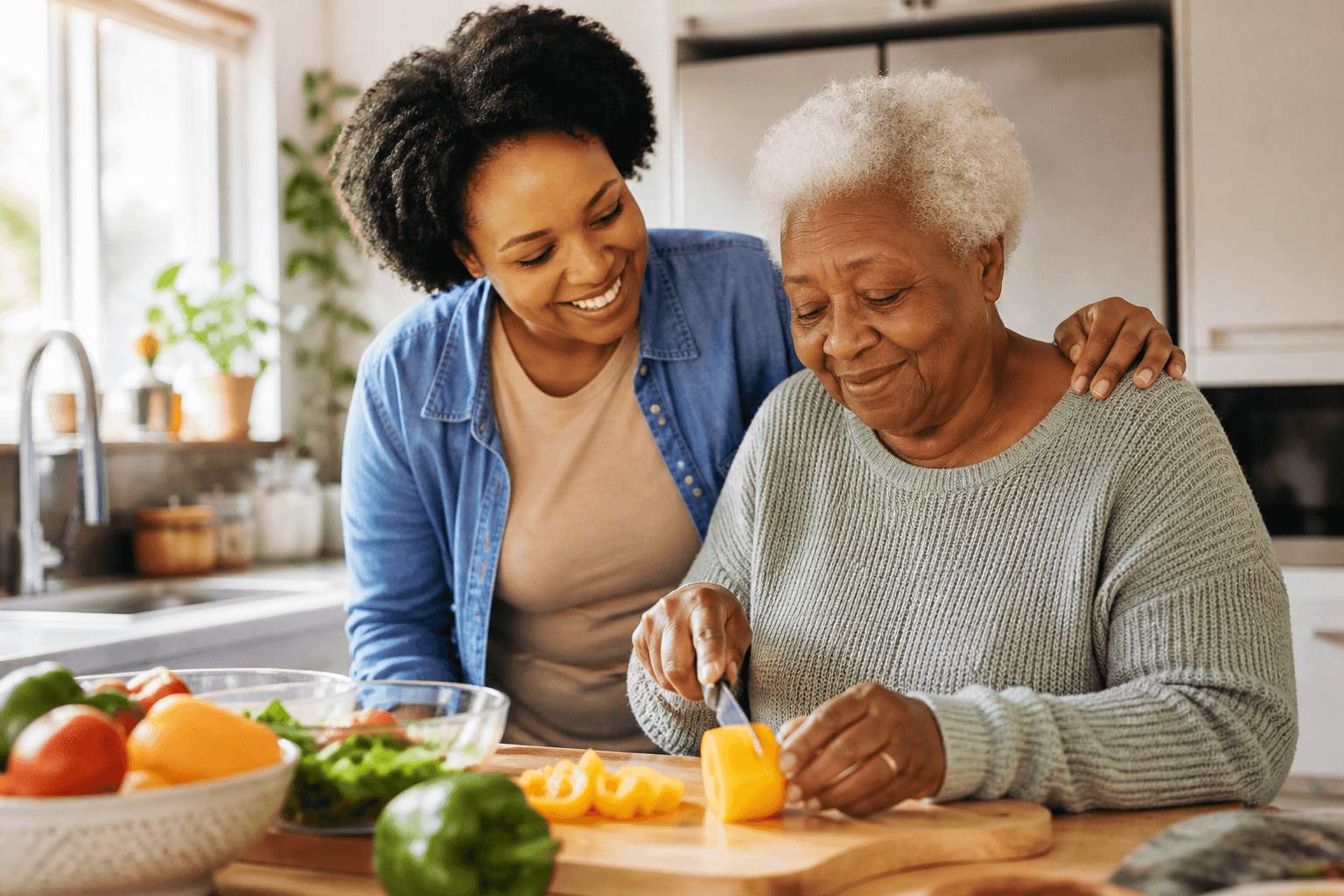
Family caregivers must also protect their own capacity to keep giving care. Burnout among people caring for elderly parents is extremely common, particularly when the responsibility falls disproportionately on one sibling or a spouse who is also working full time. This is where professional home care support becomes not a luxury but a practical necessity. A trained caregiver or nurse who visits several times a week — helping with bathing, monitoring vital signs, preparing meals or simply providing companionship — allows family members to remain present in their parent's life emotionally, rather than being consumed entirely by the physical labour of care.
Financial planning is another conversation families should have early rather than in a crisis. Understanding what health insurance, NHIF/SHA cover or other schemes will and will not pay for, and what a realistic monthly budget for home support looks like, prevents difficult decisions being made under pressure later. Many families find that a blended approach — professional home care support for specific clinical or personal care tasks, combined with family involvement for companionship and oversight — offers the best balance of quality, cost and sustainability.
Caring for an elderly parent at home is ultimately an act of love, but love alone does not manage medication schedules, prevent falls or catch the early signs of a developing infection. Partnering with a trained home healthcare team gives families the clinical safety net they need while preserving what matters most: a parent who feels respected, comfortable and surrounded by the people who care about them, in the home they know.